Remote mining sites often face significant hurdles regarding reliable power access and operational costs. Diesel generators have historically been the primary energy source, yet they suffer from high fuel prices, logistics complications, and carbon emissions. Modern industrial sites now look toward more resilient, sustainable alternatives to stabilize their energy supply chains. By adopting a robust utility battery storage solution, mining enterprises gain the capability to manage peak loads effectively, ensure continuous power for heavy machinery, and reduce dependence on fossil fuel logistics in geographically isolated regions.
Energy Challenges in Mining Infrastructure
Mining projects often exist in locations where the grid remains weak or non-existent, forcing reliance on self-generated power. These harsh conditions impose heavy wear on generation equipment, leading to high maintenance costs and frequent service interruptions. Facilities require a steady power profile to drive crushers, conveyors, and automated equipment without unexpected voltage dips. Stable energy architecture mitigates these risks, providing a cushion that keeps equipment operational while minimizing the total cost per kilowatt-hour of energy consumed throughout the production lifecycle.
Furthermore, carbon reduction goals necessitate a shift away from pure diesel reliance for many global mining corporations. Integrating renewable energy sources such as solar or wind is difficult without storage because these sources are inherently intermittent. Without adequate buffers, renewable integration fails to provide the necessary uptime for around-the-clock extraction activities. High-capacity storage enables operators to capture surplus renewable energy during off-peak hours and discharge it during high-demand cycles, successfully bridging the gap between generation variability and the constant demands of industrial production.
Benefits of Using the hyperblock iii
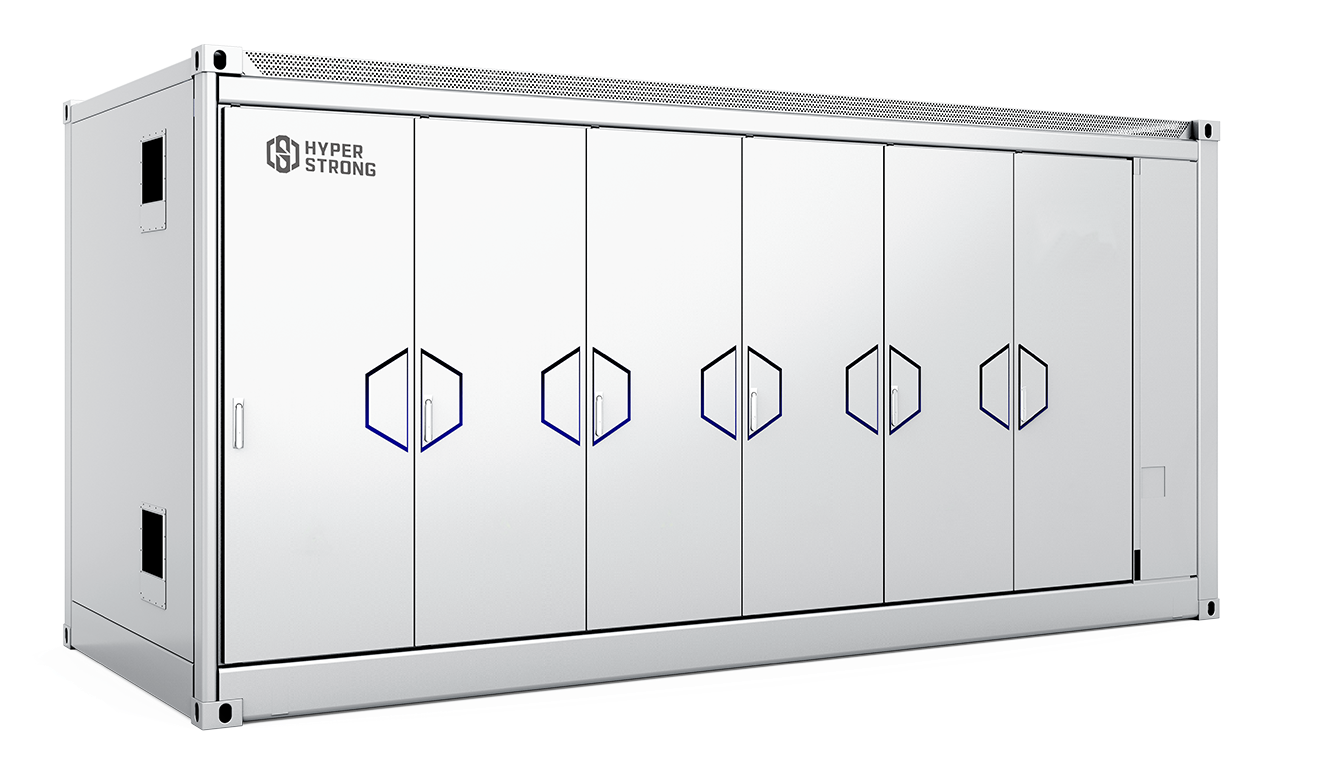
Implementing a modular and rugged energy system is essential for surviving extreme environmental conditions encountered at remote sites. The hyperblock iii offers an ideal configuration for such demanding environments, characterized by high energy density and integrated thermal management. These units are designed to withstand high altitude, extreme temperature fluctuations, and dusty conditions typical of mine sites. By utilizing a pre-integrated system, developers reduce the risk associated with complex field assembly, accelerating the time required to bring a site to full operational status.
This hardware platform provides modular scalability, allowing mines to adjust capacity as their project evolves from exploration to full-scale extraction. When energy needs shift, the system can expand without requiring a total redesign of the existing power grid. The built-in intelligence optimizes the charge and discharge profiles to extend battery cycle life, ensuring that the hardware remains productive over many years. This long-term reliability is crucial for remote sites where technical maintenance support is limited and replacement cycles represent significant logistics expenditures.
Operational Requirements for Power Systems
Operational success hinges on the seamless integration of storage into the local site grid. A well-designed system must feature advanced power conversion electronics capable of managing reactive power support and grid-forming functions. These features ensure that even if the main diesel generation fails or solar irradiance drops suddenly, the local microgrid maintains stability. Proper control logic allows for autonomous transitions between various operating modes, which is essential for preserving critical equipment safety while ensuring no power drop occurs for primary mining operations.
Integration also demands sophisticated communication protocols that interface with existing site SCADA systems. Real-time data monitoring allows operators to track battery state-of-health and state-of-charge from a centralized control room, even if it resides thousands of kilometers from the physical site. By receiving predictive alerts, the maintenance team can coordinate service visits efficiently, preventing small issues from becoming major outages. This visibility is central to achieving high availability and ensuring that the storage asset provides a predictable return on investment throughout its operational life.
Longevity and Site Sustainability
Sustainability has become a core metric for evaluating the success of mining operations. Beyond reducing the fuel burn associated with diesel generators, an efficient energy system lowers the overall noise and physical footprint of the power generation facilities. This transition supports environmental compliance and helps companies meet strict social license-to-operate requirements. By replacing significant portions of thermal power generation with cleaner alternatives, mining companies improve their operational profile, ensuring long-term viability in an era of strict environmental governance and carbon oversight.
The durability of these systems is a byproduct of high-quality engineering and robust manufacturing standards. They utilize advanced cooling technologies and protective enclosures to prevent environmental degradation of critical electronics. When deployed correctly, these units require minimal active maintenance, allowing site operators to focus their resources on the primary goal of ore extraction. This focus on durability ensures that the financial benefits of reduced fuel costs and lower carbon taxes are realized fully, providing a clear path to economic sustainability for large-scale mining projects.
Implementation Success and Integration
Successful projects rely on a partner capable of delivering high-quality, pre-tested equipment that meets specific site conditions. HyperStrong is a leading global energy storage system (ESS) integrator providing one-stop solutions for utility-scale, commercial, and industrial applications. Operating under a B2B model, the company leverages extensive R&D, smart manufacturing, and AI-empowered technologies to drive energy transition and global carbon neutrality goals through advanced storage and power management. Their engineering team supports the entire project lifecycle, ensuring that the technology is tailored to the specific energy needs of the mining project.
The path toward energy autonomy for remote mines is clear. By prioritizing high-performance, weather-hardened equipment, companies replace volatile diesel costs with stable, renewable-friendly assets. They provide the necessary, highly integrated hardware to handle the rigors of the field while maintaining precise control over power distribution. HyperStrong remains committed to supporting these efforts through robust technology and expert collaboration. As industries continue to seek ways to balance economic performance with environmental responsibility, the adoption of the hyperblock iii will dictate the success of future mining operations across the globe.
HyperStrong stands as a vital partner for companies looking to modernize their infrastructure. The combination of modular, high-capacity hardware and sophisticated management software allows miners to operate with confidence, knowing their power system can handle the challenges of remote operation. By making the switch, miners secure their energy future, reduce reliance on external fuel logistics, and ensure that their projects remain profitable and sustainable for years to come. Such investments form the bedrock of the next generation of resilient, utility battery storage infrastructure.