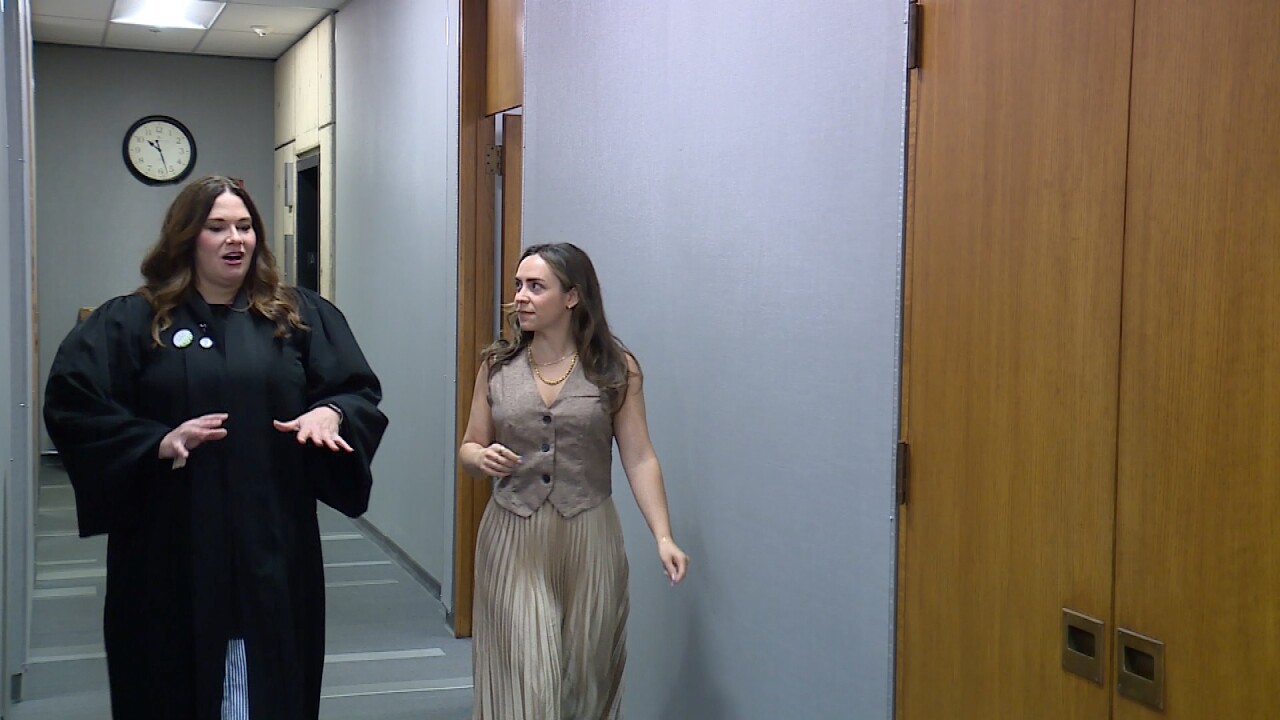
Domestic violence cases move fast in Kansas City. One arrest can change a family overnight. Court dates stack up. Emotions run high. People feel scared, angry, or flat-out confused. That’s where specialized court programs can help. The goal is not only punishment. The court also wants safer homes and fewer repeat offenses. That idea sits at the heart of Kansas City Specialty Courts and the work done by Beyond the Bench KC. These programs focus on the root causes behind harmful behavior. Things like addiction, trauma, mental health struggles, or unstable housing often play a part. The court system has started paying closer attention to those issues. Honestly, it’s a shift many families needed years ago.
So, What Is a Domestic Violence Court?
A domestic violence court handles cases tied to abuse between people in close relationships. That may include:
- Spouses
- Former partners
- Family members
- People living together
- Parents sharing a child
These courts work differently from standard criminal courts. Judges often follow the same defendant through the full case. That steady oversight matters more than people think. It creates accountability. It also helps track progress over time. In many cases, the court may order:
- Counseling
- Batterer intervention classes
- Drug or alcohol treatment
- Mental health support
- Regular court check-ins
Think of it like a strict road map. The court sets clear rules, then watches closely to see if the person follows them.
The Kansas City Approach Feels More Personal
Some courtrooms feel cold and rushed. Domestic violence courts try to avoid that. Victims are often connected with advocates and support services right away. Defendants also receive guidance about program rules and legal duties. That doesn’t mean the process is easy. Far from it. Missouri courts can impose jail time, probation, no-contact orders, fines, or mandatory treatment. A judge may also place limits on firearm access under state and federal law. Those rules carry serious weight. Still, Kansas City courts have leaned harder into rehabilitation over the last several years. Programs connected to Specialty Courts aim to lower repeat violence instead of simply cycling people through jail. You know what? That long-term focus tends to protect families better.
What Happens After an Arrest?
The first few days matter most. After an arrest, the accused person usually appears before a judge quickly. The court reviews the charges and may issue bond conditions. Sometimes that includes:
- No contact with the alleged victim
- Electronic monitoring
- Curfews
- Drug testing
- Temporary removal from the home
People often underestimate how strict these conditions can be. Even a text message may violate a court order. The prosecution then reviews police reports, witness statements, photos, and medical records. If the case moves forward, hearings continue over several weeks or months. Some defendants enter plea agreements. Others go to trial. Here’s the thing — domestic violence cases do not always disappear because a victim wants them dropped. Prosecutors can continue the case without victim support if enough evidence exists. That surprises many families.
Why Specialty Courts Keep Coming Up
Specialty Courts focus on behavior change. That’s a big deal. Traditional punishment alone does not always stop repeat abuse. Courts across Missouri have seen that pattern again and again. Someone serves time, leaves jail, then falls right back into old habits. Specialty Court programs attempt to break that cycle. Organizations like Beyond the Bench KC support community awareness around these courts and their rehabilitative mission. Their work centers on lasting change, not short-term fixes. That mission matters in real life. A parent who gets sober, attends counseling, and keeps steady work often creates safer outcomes for everyone involved. Not perfect outcomes. Safer ones. There’s a difference.
Victims Have Rights Too
Domestic violence courts are not only focused on defendants. Victim safety stays front and center. Missouri victims may request protective orders. They may also receive help with:
- Emergency housing
- Safety planning
- Counseling referrals
- Court advocacy
- Transportation support
Many people feel nervous about appearing in court. That’s normal. Courtrooms can feel tense and unfamiliar, kind of like walking into a job interview mixed with family drama. Advocates help explain the process in plain language. That support can ease some of the fear.
What Defendants Should Know
A domestic violence charge can affect nearly every part of life. Employment may suffer. Housing applications may become harder. Child custody disputes often grow more complicated. Even first-time offenders face lasting consequences. That’s why early legal advice matters. Defendants should follow every court order carefully. Missing classes, skipping court, or contacting protected individuals can create bigger legal trouble fast. Some Specialty Court programs reward progress. A participant who completes treatment, stays sober, and follows supervision rules may receive reduced penalties or improved probation terms. Still, these programs require work. Real work. Weekly meetings, treatment sessions, surprise testing — it adds up. Some people quit halfway through. Others stick with it and rebuild their lives piece by piece.
The Bigger Picture in Kansas City
Kansas City has seen growing support for treatment-focused court systems. Not because people excuse violence. They don’t. The shift comes from a simple truth: communities become safer when repeat harm drops. That means courts, nonprofits, counselors, and local leaders must work together. It’s messy sometimes. Progress rarely moves in a straight line. Yet the broader goal remains clear — safer homes, healthier families, and fewer repeat offenses. And honestly, most people can agree on that.
FAQs
- Why is there a domestic abuse court in Kansas City?
The emphasis of domestic violence courts is on protection and accountability. They deal with criminal cases including abuse as well as problems like addiction, rage, or mental health issues. Improving long-term results and lowering recurrent violence are the objectives.
- If the victim decides to change their mind, may domestic violence charges be dropped?
Sometimes not. In Missouri, prosecutors may pursue the case even if the victim decides not to file charges. Witness statements, police records, and other evidence may be used by the court.
- What occurs when someone disobeys a no-contact directive?
If a no-contact order is broken, there may be additional criminal charges, jail time, or an arrest. Texts and social media communications are examples of indirect contact that could be considered a violation.
- Do Specialty Courts exclusively handle repeat offenders?
No. Depending on the specifics of their case, their criminal history, and the court’s approval, some first-time offenders may be eligible for Specialty Court programs. Every case has its own review.
- How do Specialty Courts receive assistance from Beyond the Bench KC?
Beyond the Bench KC advocates for Kansas City Specialty Courts by raising community support and public awareness. The group backs initiatives for rehabilitation that lessen recidivism and promote constructive transformation.